


SEDC: Mark Okoye Deserves Fair Hearing—–Tony Okafor
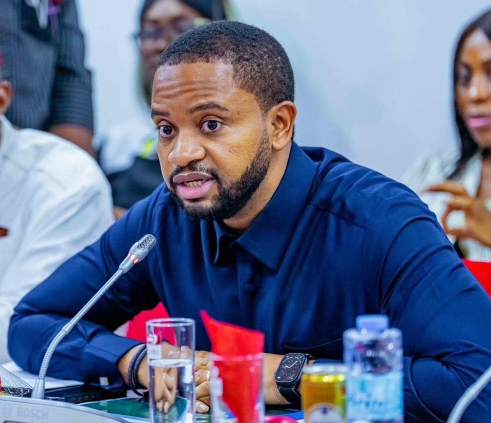
The Senate hearing involving the Managing Director of the South East Development Commission (SEDC), Mr. Mark Okoye, has sparked intense public debate.
Viral video clips from the proceedings have led many Nigerians to pronounce judgment on the commission’s finances even before the full facts have emerged.
In a society governed by the rule of law, public officials deserve neither automatic condemnation nor automatic exoneration. They deserve due process.
The Senate Committee was right to ask questions. Legislative oversight is a constitutional responsibility. Lawmakers are empowered to scrutinise government agencies, ensure prudent management of public funds and demand accountability from public officials. But oversight is not public humiliation. Its purpose is to establish facts, not to prejudge them.
Unfortunately, footage from the hearing left many Nigerians with the impression that conclusions had been reached before all the evidence was presented.
Such perceptions do little to strengthen public confidence in either the oversight process or the institutions involved.
The committee queried more than N4 billion in expenditures and demanded a detailed breakdown of how the funds were utilised. It was entirely within its rights to do so, and the public equally deserves answers.
However, Mr. Okoye also requested time to submit detailed procurement records, contract documents, payment schedules and other supporting evidence. The commission has maintained that a significant portion of the questioned amount represents committed but yet-to-be-disbursed obligations and that much of the expenditure was directed towards establishing the operational foundation of a new agency.
Whether those explanations are satisfactory must ultimately be determined by facts and documents, not by viral clips or public sentiment.
There is little wisdom in denying public officials adequate time to produce verifiable records in matters involving public finance. Rushed proceedings may generate headlines, but thorough scrutiny produces facts. Accountability is best served when investigators are patient enough to examine evidence and officials are given a fair opportunity to present it.
The SEDC is one of Nigeria’s newest regional intervention agencies, established to address decades of infrastructure deficits and developmental challenges in the South-East. Given the enormous expectations placed upon it, any concerns regarding its finances deserve careful and comprehensive examination.
The principle is simple: ask hard questions, then allow complete answers.
This is not a call for leniency towards corruption, financial recklessness or abuse of public trust.
Any public official found to have misappropriated public funds should face the full weight of the law. Transparency and accountability remain essential pillars of democratic governance.
Yet accountability itself requires fairness. A hearing should not become a conviction, and legislative oversight should not be mistaken for prosecution.
As the committee reconvenes to receive the requested documentation, Nigerians should resist the temptation of instant judgment. The facts are still emerging. The audit process is ongoing. The evidence has not yet been fully examined.
Until then, fairness requires that Mark Okoye be heard before he is condemned.
That is not a defence of any individual. It is a defence of due process. And due process remains one of the strongest safeguards against both impunity and injustice.